Schroth Therapy
Schroth therapy is a specialized method for treating scoliosis and correcting lateral spinal curvature.
The core of the method lies in positioning the body in specific postures and controlling breathing to achieve optimal spinal alignment. The therapy consists of individualized exercises aimed at improving posture and restoring muscle balance.
During Schroth therapy, the therapist focuses on three-dimensional spinal correction. Patients learn how to improve their posture in everyday life. The long-term goal is to stabilize the condition of the spine and prevent further deformities. Active participation by the patient is essential for success.
With regular practice:
- posture improves,
- spinal pain decreases, and
- mobility increases.
Breathing techniques play a key role in reducing spinal load during therapy. Treatment plans are always tailored to individual needs and the degree of curvature.
This type of physiotherapy is particularly beneficial for children in their growth phase, when the spine is still developing. Regular follow-up and home exercises further enhance therapy outcomes.

McKenzie Therapy
McKenzie physiotherapy is one of the most well-known and effective methods for treating lower back and neck pain.
The method was developed by Robin McKenzie and aims to diagnose and treat spinal problems using specific movement sequences.
Individual exercises help identify the source of pain and address the root cause of the problem. During therapy, patients learn independent movement techniques that help reduce pain and increase range of motion. By practicing exercises at home, patients can also help prevent recurring pain.
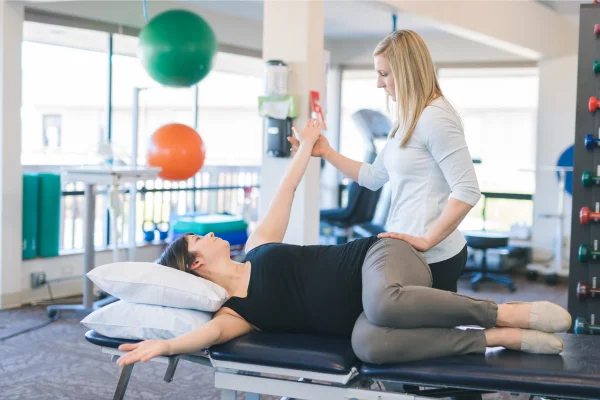
One of the key principles of the McKenzie method is centralization, which helps gradually reduce pain. With the therapist’s guidance, patients learn how to apply these techniques in everyday life. The therapy’s effectiveness is further enhanced by encouraging active patient participation.
The method is suitable for:
- treating acute and chronic pain,
- and in many cases, avoiding the need for surgery.
To ensure an accurate diagnosis, the therapist conducts a thorough assessment. The individualized treatment plan is tailored to the patient’s condition and pain characteristics.
Manual Therapy
Manual therapy is a specialized technique used by trained physiotherapists to relieve joint and muscle pain and restore movement function.
Manual therapy helps reduce pain and relieve muscle tension. It is particularly beneficial for people suffering from back, neck, or joint pain. The therapist develops an individualized treatment plan tailored to the patient’s condition. Manual therapy not only alleviates pain but also improves posture and promotes proper body mechanics.
Techniques used include:
- soft tissue massage,
- stretching, and
- joint mobilization.
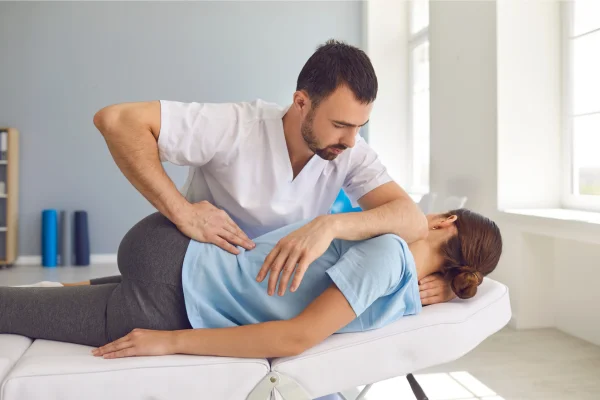
Throughout therapy, patients regularly provide feedback so the treatment can be refined. The goal of manual therapy is to optimize joint movement and help restore freedom of movement. The procedure is safe, and the therapist continuously monitors the patient’s response. To enhance results, patients often receive home exercises to strengthen the therapeutic effect.
Treatment usually requires multiple sessions to achieve the desired outcome. Manual therapy not only treats existing pain but also helps prevent future problems.
Maligen Therapy

Maligen therapy is a relatively new method that focuses on restoring proper movement patterns and reducing joint pain.
The foundation of the therapy includes:
- increasing body awareness,
- restoring muscle balance.
During the treatment process, the therapist designs individualized exercises that target specific problems.
One of the greatest advantages of Maligen therapy is its role in preventing the recurrence of musculoskeletal issues. Patients learn how to move correctly in everyday life, minimizing the risk of injuries caused by improper movement. Improving posture is also part of the therapy and contributes to pain reduction.
When designing an individualized program, the therapist considers the patient’s age, condition, and other health factors. Patients also learn to coordinate breathing and movement, which increases the effectiveness of exercises.
Maligen therapy requires multiple sessions, and continuous progress is monitored through regular feedback. Home exercises are an integral part of the therapy, helping maintain results and achieve long-term improvement.
The methods used help restore full functional balance of the body. Patients may experience faster recovery and a pain-free life.
Our company is committed to musculoskeletal rehabilitation. Our goal is to help as many people as possible develop or regain their mobility.
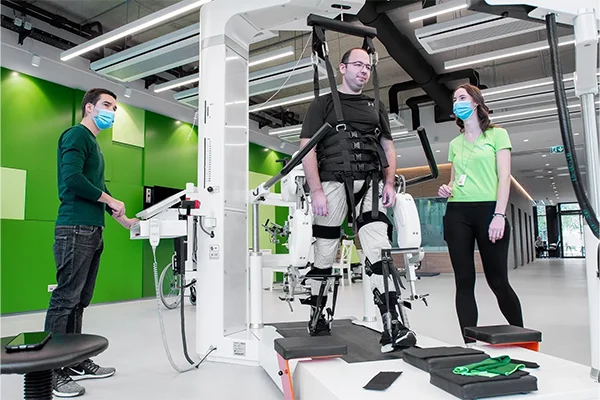
In addition to traditional physiotherapy services in Budapest, we also provide robotic rehabilitation therapy. Whether you are recovering from a stroke, managing multiple sclerosis, rehabilitating after a spinal cord injury, or recovering from an acquired brain injury, our advanced technologies enable targeted and effective therapy for our patients.