Conductive therapy is recommended for individuals who have experienced damage before, during, or after birth, or in early childhood. It effectively supports the learning and developmental processes of infants, children, and even adults with cerebral palsy.
The conductive education process is a step-by-step learning program that continuously expands in quality and complexity. It encourages goal-setting, activity, and learning in children.
- infantile hemiplegia
- spastic diplegia
- tetraplegia
- athetosis
- ataxia
- spina bifida
To achieve coordinated functions and harmonious nervous system activity, conductive therapy focuses not on the injury itself, but on personality development, education, and learning.
Conductive therapy also supports personality development by helping prevent the emergence of negativistic and deviant personality traits often associated with chronic conditions.

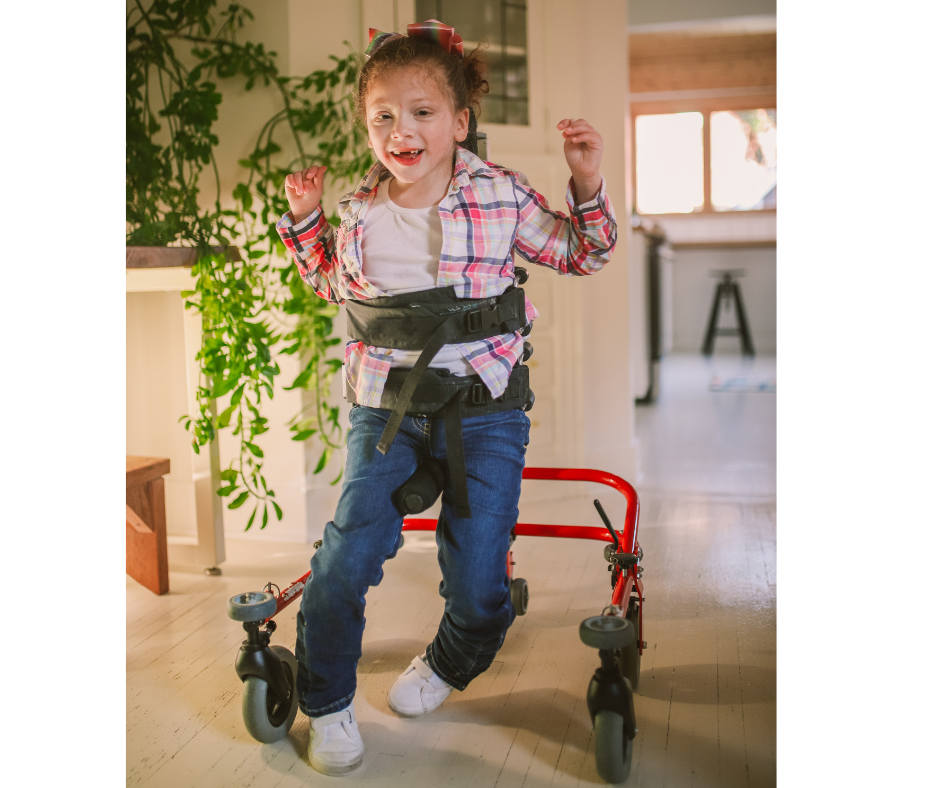
The development of children with central nervous system injuries requires the coordinated work of highly experienced therapists. During conductive therapy, which complements robotic rehabilitation, specialists take into account the child’s age and the severity of symptoms to design an appropriate, comprehensive therapy program.
Tasks may include developing movements in lying, sitting, standing, and walking. With regular practice, significant improvement can be achieved.
The goal of conductive therapy is to support greater independence and help children participate in everyday life as fully as possible.
During developmental therapy, children can be prepared for daily life and, depending on their condition, for independent living and future employment. This can significantly ease everyday life for families as well.